
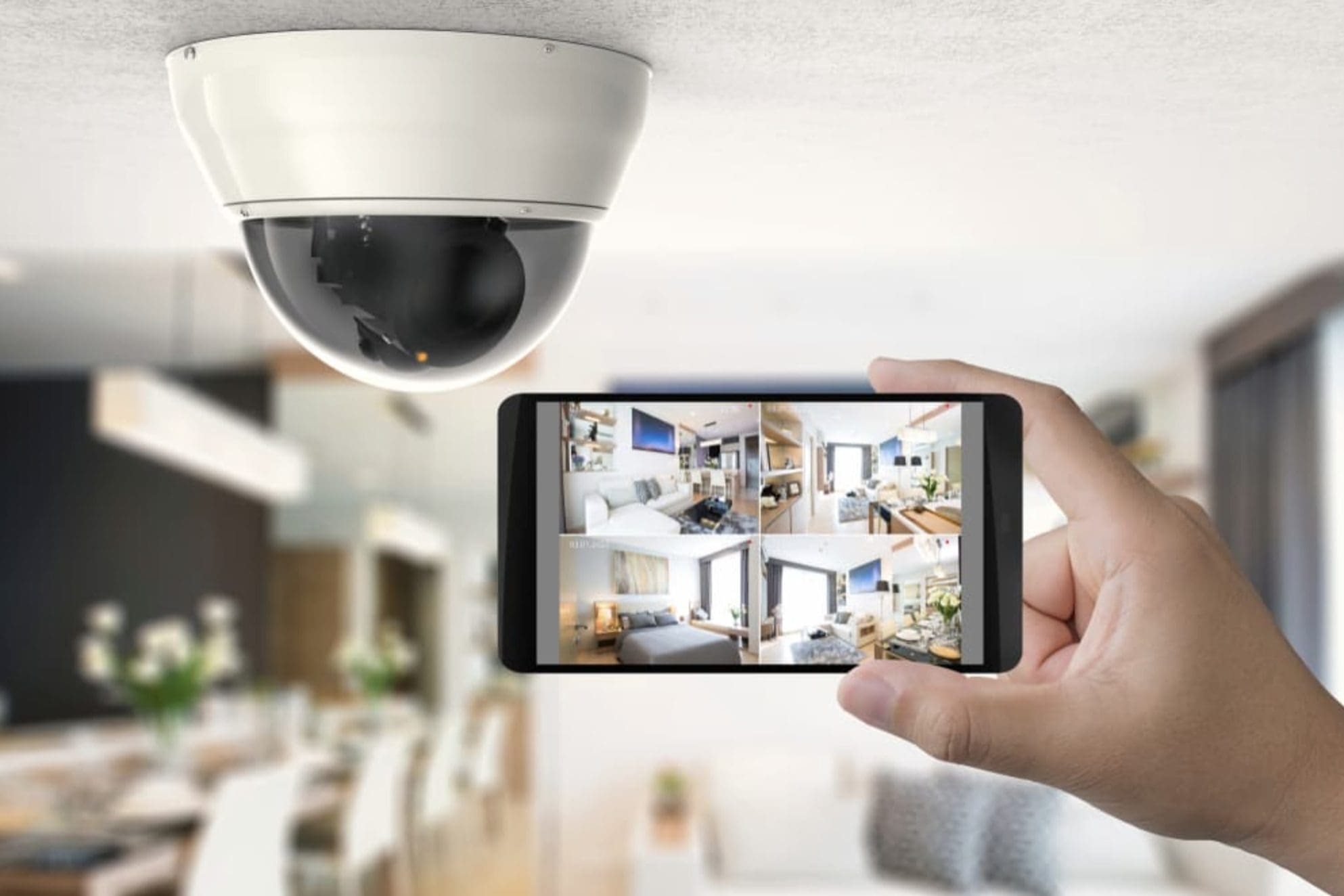
Ring doorbells. Nest cameras. Hallway security systems. Walk into almost any listing today and there’s a good chance something is watching, or listening.
For sellers, that can feel like basic home security. For buyers, it can feel like being on a reality show. And increasingly, it’s shaping who makes an offer and who walks away.
Here’s what the data says, what the law says, and how to handle recording devices the right way.
The Numbers Are Bigger Than You’d Think
A recent LendingTree survey found that recording devices during showings are now the norm, not the exception.
56% of recent sellers said they’d kept a camera or microphone active during their last sale, and nearly three-quarters of recent buyers said they’d seen or suspected a device while touring a home.
These aren’t hidden nanny cams — they’re everyday doorbell cameras and security systems that were simply left running.
What sellers do with that footage is the more interesting part.
18% of sellers who kept devices active admitted they used the footage to gather negotiating intelligence, and 45% said what they saw or heard directly shaped how they approached negotiations.
Buyers are adjusting in response.
Many said they deliberately avoided discussing budget or offer strategy while inside a home, or downplayed how excited they were about a property.
19% left a showing the moment they realized they were being recorded, and others decided not to submit an offer at all.
Perhaps the most telling number for sellers: 34% said knowing a home had active recording equipment would make them less likely to make an offer on it.
In other words, the intel a seller gains from a camera can come at the cost of the exact buyer they needed most.
Can I Make a Confession?
Sometimes we’re brutally honest with buyers while we’re touring a home together. They tend to be just as candid right back.
But here’s the part worth remembering: the seller might be listening to everything else, too.
It’s turned into a real cat-and-mouse game.
Here’s something I’ve noticed, working with sellers day to day: when one spouse is watching the camera footage and the other isn’t, the one who isn’t watching is almost always more at peace with the process. The one glued to the recordings tends to overthink everything — what the buyers said, how they acted, how long they lingered in the kitchen.
The truth is, if buyers are interested, they’ll let us know. Our job is to let the home and the marketing do the work, then turn that interest into a real offer once someone raises their hand.
Is This Actually Legal? (The Ontario Answer)
Here in Ontario, the legal picture is fairly clear once you separate video from audio.
Video-only recording is generally permitted. A homeowner has every right to maintain security cameras — doorbell cams, hallway cameras, exterior cameras — on their own property.
The one hard limit: cameras can’t be placed anywhere a visitor would reasonably expect privacy, like a bathroom.
Audio is where sellers can get into real trouble.
Under Section 184 of the Criminal Code, intercepting a private communication without consent is a criminal offence.
Canada is a “one-party consent” jurisdiction, meaning a recording is only lawful if at least one participant in the conversation knows it’s happening.
If a seller isn’t present and their camera captures a private exchange between a buyer and their agent, that can amount to a criminal offence, regardless of intent.
Disclosure matters, and for audio, it’s mandatory.
Ontario law doesn’t strictly require written notice for video-only cameras, though federal privacy principles under PIPEDA and CREA guidance treat undisclosed secret recording as a problem in its own right.
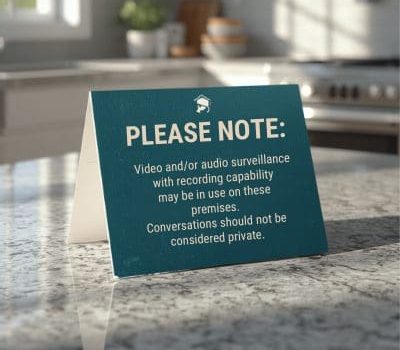
For audio, disclosure is required by law: sellers must let visitors know recording is happening and obtain consent, whether express or implied through a clearly posted notice at the entrance.
RECO and CREA guidance directs listing agents to flag recording devices in showing platform remarks (for example, showing software & MLS remarks) and to post a visible sign at the door or as soon as they walk in.
What This Means for Sellers and Buyers
For sellers:
A camera might feel like protection, but to a buyer, it feels like surveillance. If a third of buyers say active recording devices make them less likely to offer, that “protection” could be shrinking the buyer pool on the home they’re trying to sell.
The smart play is disclosure and restraint — let buyers know devices exist, but understand that the intel gained from listening in may cost the very offer a seller needed.
For buyers:
Set the expectation before the first showing. Assume someone can hear them from the moment they walk through the front door until they’re back in the car, past the driveway and out of doorbell camera range.
Approval amounts, available cash, appraisal gap coverage, closing timelines, relocation deadlines, how much they love the house — none of that gets discussed inside.
The Bottom Line
Cameras aren’t going anywhere, and sellers have every right to protect their homes.
But once a device is picking up audio, the conversation shifts from a security best practice to a legal obligation, and potentially a lost sale.
A sign at the door, a note in the showing platform, and a muted microphone go a long way. They keep sellers on the right side of the law, and they keep buyers comfortable enough to make an honest offer.