
When an individual’s income starts growing and they manage to set aside some savings, they commonly experience what may be considered an innate instinct of modern civilized mankind… The desire to spend money.
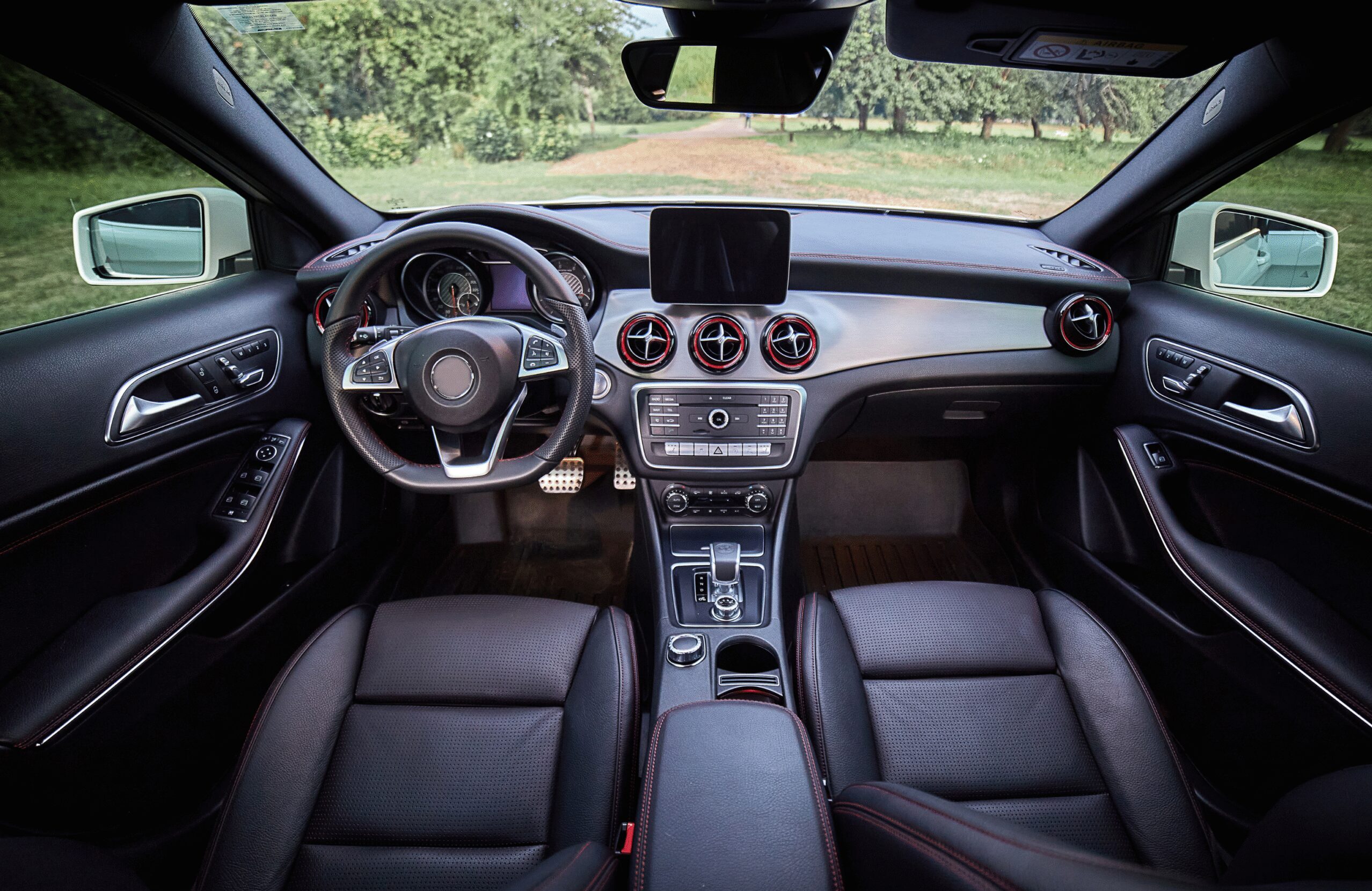
Since North Americans have a special love affair with the automobile, this becomes a high priority item on the shopping list.
Later, other things will be added and one of those will probably be a house.
However, by the time home ownership has become more than a distant and hopeful dream, you may have already bought the car.
It happens all the time, sometimes just before you contact a lender to get pre-qualified for a mortgage.
The Loan Officer’s Advice
As part of the interview, you may tell the loan officer your price target. He will ask about your income, your savings and your debts, then give you his opinion.
“If only you didn’t have this car payment, you would certainly qualify for a home loan to buy that house.”
You see, when determining your ability to qualify for a mortgage, a lender looks at what is called your “debt-to-income” ratio.
What is a Debt-to-Income Ratio?
A debt-to-income ratio is the percentage of your gross monthly income (before taxes) that you spend on debt. This includes:
- Housing costs: Principal, interest, taxes, insurance, utilities.
- Consumer debt: Credit cards, student loans, and… CAR PAYMENTS!
How a New Car Payment Reduces Your Purchase Price
Suppose you earn $5,000 a month and you have a car payment of $400.
The $40,000 Cost
At current interest rates (approx. 6% on a 30-year fixed loan), a $400 car payment means you qualify for approximately $40,000 less than if you did not have the car payment.
Even if you feel you can afford the car payment, mortgage companies approve your mortgage based on their guidelines, not yours.
Buying things on credit not only hurts your credit score, but it also leaves less money for you to use for a house payment.
Lenders look at this figure also to determine how much money they will lend you, and how much they will charge you to lend it.
If you haven’t already bought a car, remember one thing: Think ahead.
Think about buying a home first.
Buying a home is a much more important purchase when considering your future financial well-being.
Summary: Priorities Matter
- ✅ DTI Ratio: Lenders look at your total debt compared to income.
- ✅ The Trade-off: A car payment directly reduces your mortgage capacity.
- ✅ The Math: A $400/mo car payment can cost you $40,000 in home purchasing power.
- ✅ Strategy: Buy the house first, then the car.
Don’t let “new car fever” prevent you from buying the home of your dreams. Prioritize the asset that appreciates (the home) over the one that depreciates (the car).

Want early access to serious buyers?
If you’re going to be moving in the next six months, what you might not realize is that there are a significant number of buyers searching for homes like yours.
In fact, for every buyer actively viewing homes right now, there are 5-10 more about to begin their search, or eagerly waiting for the perfect property to come up.
If you’re interested in getting a head start on finding a buyer for your home, leave us some details below… We’ll see if we can find a match!

Want to know what your home is worth?
Before you put your house on the market, you need to find out how much it’s worth in today’s market, so you can make your plans based on the most current information available.
We can prepare a detailed Pin-Point Price Analysis for you that shows the most current market activity in your area for homes like yours, and we can recommend an optimal marketing price range that will give you the best odds of selling quickly – and for top dollar!